
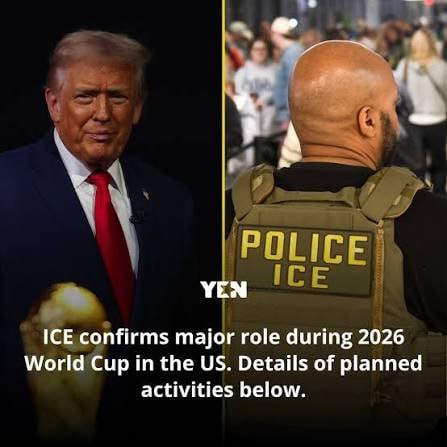
2026 World Cup: ICE Operations and Fan Safety
TL;DR
- 36% of the U.S. population has concerns about ICE operations during the World Cup.
- ICE arrests led to 905 suspects detained and 180 victims rescued.
- With 78 of 104 matches in the U.S., Fan experience and safety are crucial.
For the first time in its rich history, the World Cup will witness 78 out of 104 games in the United States. This grand event draws in 10 million visitors to various U.S. host cities, but it also puts a spotlight on ICE operations. Known for their stringent immigration enforcement, ICE's role during the World Cup has sparked heated debates. With significant human rights concerns raised, how will these operations impact fan experience and Safety?
The 2026 World Cup isn't just a football extravaganza; it's a test of balance between security and freedom. Fans worry about ICE's role, especially after reports that 19 people have died in immigration detention this year. With human rights groups like Human Rights Watch closely monitoring, the tournament is about more than just goals and victories.
ICE's Role in 2026
In a vast and diverse host nation like the U.S., ICE aims to maintain security amidst concerns of human trafficking and unrest. Recently, the agency's operations led to an impressive 905 suspects arrested and 180 victims rescued during a crackdown. These figures provide a sense of security to some but highlight the human rights concerns faced by others.
Historically, ICE has been a polarizing entity within the U.S. context. As the global stage turns its eyes on the World Cup, the agency's actions will undoubtedly be scrutinized for their impact on supporters and human rights. Can ICE maintain safety without imposing fear on football's biggest stage?
The next steps are crucial. Will ICE adjust its approach amidst the increasing global pressure? Fans and human rights organizations are keenly interested in how this balance will play out.
Fan Safety Measures
Fan safety at the World Cup is paramount. With millions converging on U.S. soil, ensuring security is a monumental task. Local authorities have outlined extensive measures, including advanced crowd control and collaboration with international agencies to ensure smooth operations.
The history of World Cup safety measures highlights both successes and challenges. Past tournaments saw increased collaboration to prevent incidents and protect fans, a model that the U.S. plans to emulate. The challenge is elevated due to the country's unique political climate and the scale of the event.
Expectations are high. Fans want assurance that their rights won't be compromised. With many eager to celebrate freely, the eyes of the world will be watching how these measures unfold.
Human Rights Concerns and ICE
Human rights organizations have voiced strong concerns around ICE's operations. Reports highlight 19 people died in immigration detention centers, fueling anxiety over the agency's practices. Groups like Human Rights Watch advocate for a truce during the tournament to protect fans and immigrants alike.
Comparatively, past global sports events have faced similar criticisms. The challenge for ICE and U.S. authorities is to manage these perceptions and ensure the focus remains on football. The stakes are high, and the world will judge the U.S.'s ability to uphold its values alongside hosting duties.
Navigating these complex narratives is crucial. Will the U.S. emerge as a beacon of freedom, or will it face criticism for prioritizing security over human rights?
Looking Ahead: The Impact on the World Cup
As the countdown continues, questions linger. With 78 games in the U.S., the global football community remains alert to any developments. The challenge will be ensuring fans experience the joy of the game without fear of repercussions.
The World Cup isn't merely a sports spectacle; it's a reflection of cultural and political sentiments. As such, the U.S. has the responsibility to set a precedent. Given the 36% of Americans concerned about ICE operations, will these worries be laid to rest as the event progresses?
As the tournament progresses, fans, players, and organizations will closely observe how effectively the balance between safety and rights is maintained.
What You Need to Know
Frequently Asked Questions
What is the role of ICE during the 2026 World Cup?
ICE's role involves maintaining security against threats such as human trafficking while balancing human rights concerns. The operation's visibility during the World Cup is under scrutiny for its potential impact on fan experience and safety.How are fans protected from ICE operations at World Cup events?
Fan protection is achieved through collaboration between local law enforcement and international agencies, providing robust safety measures to prevent incidents and reassure visitors of their safety.What safety measures are in place for attendees at the World Cup?
Safety protocols include advanced crowd control, concerted international collaboration, and comprehensive security checks designed to ensure a smooth and secure experience for all attendees.Are there any concerns about immigration enforcement during the World Cup?
Yes, concerns have been raised about the impact of ICE operations on fans. Human rights organizations are advocating for a moderated approach to ensure fans' rights and experiences aren't compromised.The 2026 World Cup is more than a sporting event; it's a stage for diplomacy and human rights dialogue. As kickoff approaches, fans worldwide hope for a tournament that celebrates the beautiful game while ensuring safety and respect for all. It’s an opportunity for the U.S. to showcase not only its love for football but its ability to host with dignity and respect for human rights.


